
Ho Chi Minh City, with its unique blend of French colonial charm and rapid modern growth, has become a sanctuary for yogis. However, not all training programs are created equal. To find the “best” one, you must look beyond aesthetic Instagram photos and dive deep into the curriculum, lineage, and accreditation.
1. Prioritize Yoga Alliance USA Certification
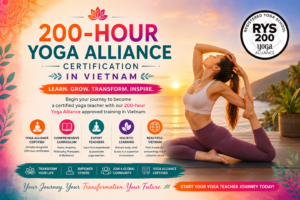
The first filter for any reputable training is accreditation. Yoga Alliance USA is the international gold standard. A “Registered Yoga School” (RYS 200) status ensures that the program meets strict educational standards regarding anatomy, philosophy, and teaching methodology.
Without this certification, you may find it difficult to secure insurance or employment at international studios. When researching schools in District 3 or District 1 of HCMC, always verify their RYS status directly on the Yoga Alliance website.
2. Research the Lead Trainers and Their Lineage
A Yoga School is only as good as its masters. In Ho Chi Minh City, the most successful programs are often led by Indian Yoga Masters who bring an authentic Vedic perspective to the mat.
- Experience: Look for teachers with E-RYT 500 status (Experienced Registered Yoga Teacher).
- Lineage: Does the School follow a specific tradition like Hatha, Vinyasa, or Ashtanga? Understanding the teacher’s background—whether they trained in Rishikesh, Mysore, or Bihar—will tell you if their style aligns with your personal goals.
- Diversity of Staff: The best programs have a team of specialists rather than one person teaching everything. Look for dedicated experts in anatomy, philosophy, and alignment.
3. Evaluate the Syllabus: Beyond the Physical
A 200 Hour Course is meant to be comprehensive. If a syllabus focuses 90% on Asanas (poses) and ignores the other seven limbs of Yoga, it is not a complete training. A high-quality HCMC program should include:
- Anatomy and Physiology: Understanding the skeletal and muscular systems to prevent injuries.
- Yoga Philosophy: In-depth study of the Yoga Sutras of Patanjali and the Hatha Yoga Pradipika.
- Pranayama and Meditation: Mastering breathwork and mental stillness.
- The Art of Teaching: How to cue, how to assist (adjustments), and how to sequence a class logically.
4. Check for Niche Specializations (The Value Adds)
What makes a School in Ho Chi Minh City stand out? Some of the best centers integrate modern wellness modalities into the traditional 200 Hour curriculum.
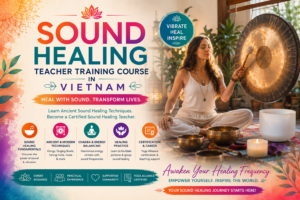
For example, look for schools that offer introductory modules in Sound Healing, Chakra Balancing, or Ayurveda. These “bonus” skills make you much more marketable as a teacher and provide a more holistic personal healing experience during the course.
5. Location and Learning Environment
Ho Chi Minh City is high-energy, but your training environment should be a “Vedic sanctuary.” Consider the location:
- District 3 & District 1: These areas are central and accessible, often housing studios that offer a “refuge” from the city’s bustle.
- Facilities: Does the studio have high-quality props (blocks, bolsters, straps)? Is there a dedicated space for philosophy lectures? A peaceful, clean, and well-ventilated space is essential for the long hours required in a Yoga Teacher Training.
- Residential vs. Non-Residential: Some schools offer accommodation, which is ideal if you are traveling from abroad or another part of Vietnam.
6. Read Genuine Student Reviews and Testimonials
Don’t just take the school’s word for it. Look for Google Reviews and Video Testimonials. Pay attention to what students say about:
- The accessibility of the teachers.
- The “transformation” they felt after 28 days.
- Post-graduation support (Do they help you find jobs or offer internships?).
7. Class Size and Personal Attention
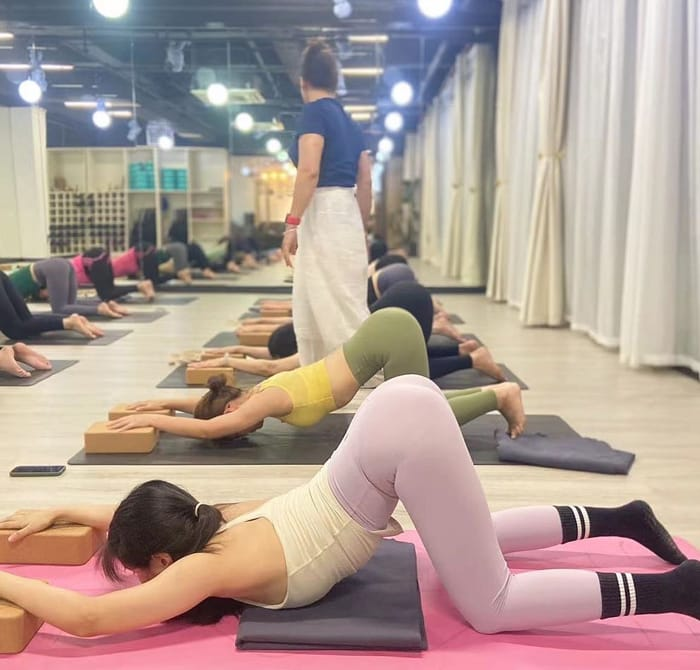
Avoid “factory-style” trainings where 50 students are crammed into one room. For a 200 Hour Yoga Teacher Training, personal attention is non-negotiable. An ideal class size is between 10 and 20 students. This ensures the lead master can observe your alignment, correct your posture, and answer your specific philosophical questions.
8. Consider the Financial Investment and Transparency
Transparency in pricing is a sign of a professional school. Ensure the fee covers:
- Your comprehensive manual and study materials.
- Yoga Alliance certification fees.
- Any included retreats or specialized workshops.
While it’s tempting to go for the cheapest option, remember that this is an investment in your career. A slightly higher fee often pays for more experienced masters and better facilities.
Why Choose Shiva Flow (Shivaay Shakti Yogashala) in HCMC?
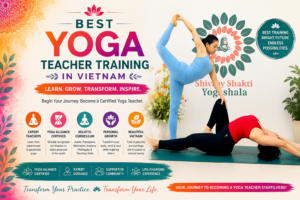
If you are looking for a program that ticks all these boxes, Shiva Flow in District 3, Ho Chi Minh City, stands out as a premier choice. Led by highly experienced Indian Yoga Masters, our 200 Hour Yoga Teacher Training integrates traditional Hatha and Ashtanga with modern Sound Healing and Vedic wisdom. We focus on small class sizes to ensure every student finds their “inner teacher” in a supportive, high-vibration environment.
Conclusion: Trust Your Intuition
After doing your logical research—checking certifications, reading reviews, and comparing syllabi—take a moment to sit in silence. Which school resonates with your spirit?
Choosing the Best 200 Hour Yoga Teacher Training in Ho Chi Minh City is the first step of a lifelong journey. By prioritizing authenticity, accreditation, and a well-rounded curriculum, you aren’t just buying a certificate—you are investing in a new version of yourself.
Book Course : Daily Yoga Classes In Vietnam