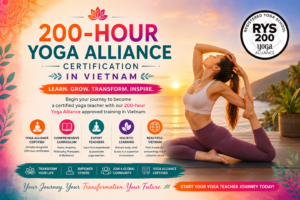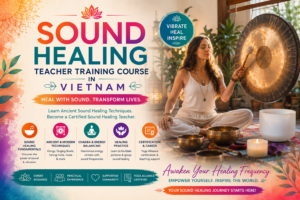
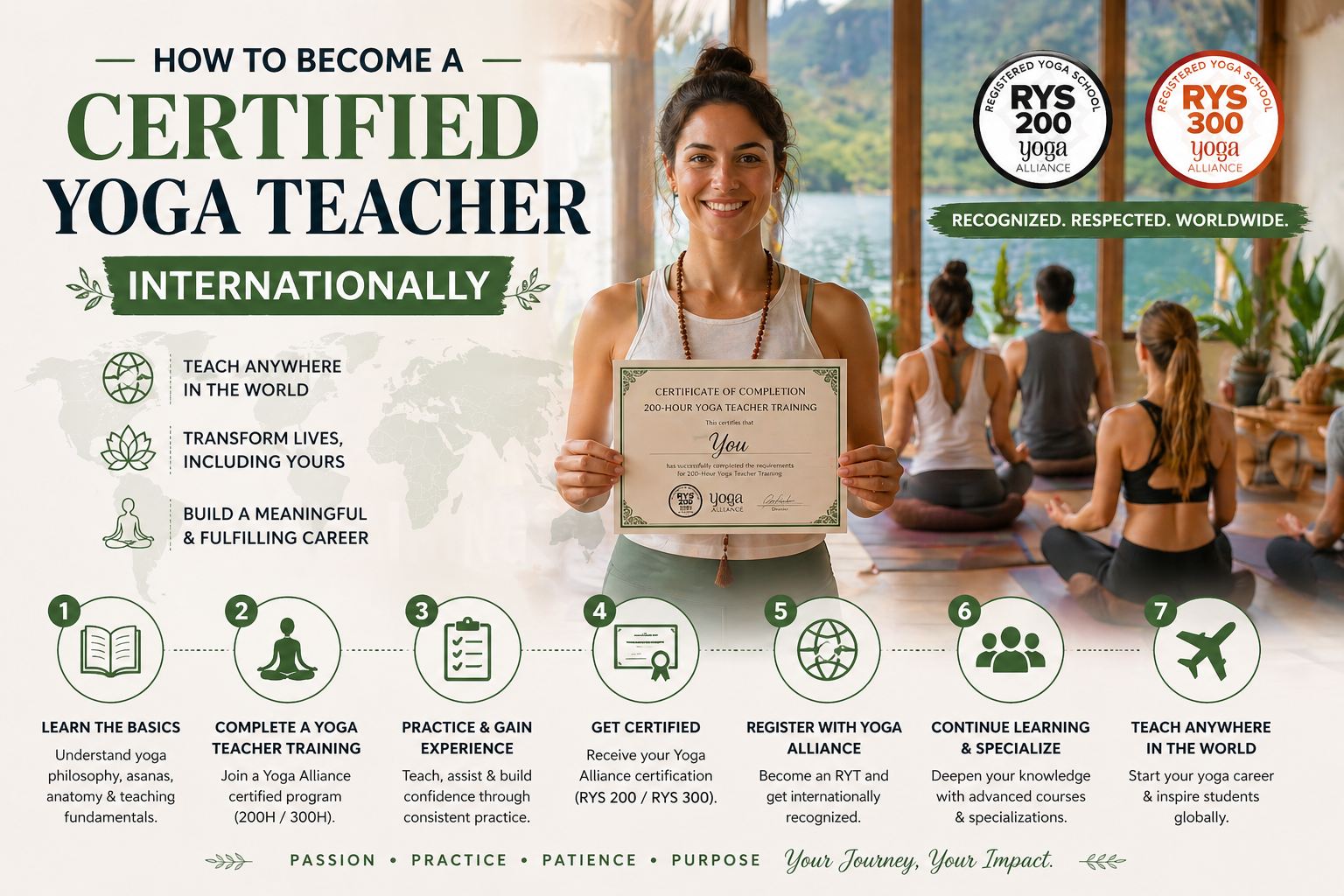

To teach yoga abroad—whether in luxury resorts, Certified Yoga Teacher Internationally studios, or via digital platforms—you need more than just a certificate. You need a qualification that carries weight across borders. This process is governed by specific global standards that ensure safety, anatomical knowledge, and philosophical depth.
1. Understand the Role of Yoga Alliance USA
While there is no single “government” for yoga, Yoga Alliance (YA) USA is the closest thing to a global governing body. Most reputable studios worldwide require their teachers to be “RYTs” (Registered Yoga Teachers).
- RYS (Registered Yoga School): This is the school you choose. It must be pre-approved by Yoga Alliance to teach a specific syllabus.
- RYT (Registered Yoga Teacher): This is the title you earn after completing your training at an RYS and registering your certificate on the Yoga Alliance directory.
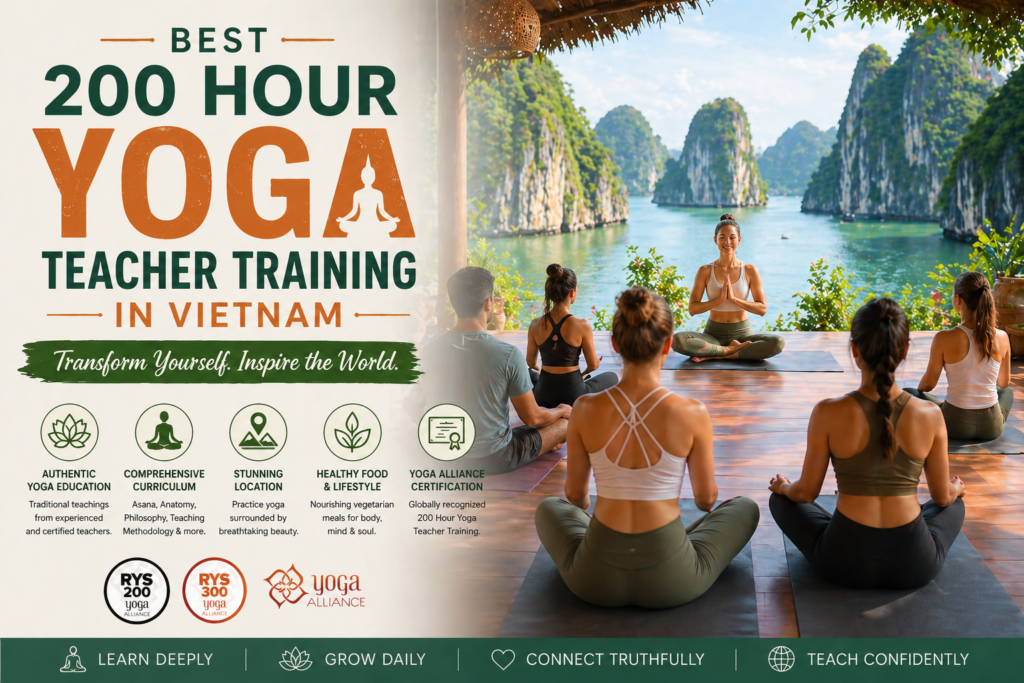
- The Global Standard: Having the RYT designation acts as a “passport.” It tells studio owners in any country that you have completed at least 200 hours of standardized training.
2. Choosing the Right Certification Level (200, 300, or 500 Hours)
The international path is divided into tiers. Choosing the right one depends on where you are in your journey.
- The 200-Hour YTT (The Foundation): This is the mandatory entry point. You cannot teach professionally without this. It covers the basics of Hatha, Vinyasa, Anatomy, and Philosophy.
- The 300-Hour YTT (The Advanced): Once you have your 200-hour certificate, you can take an additional 300-hour course to become an RYT-500. This is where you specialize in things like advanced adjustments, therapy, or niche styles.
- The 500-Hour YTT: The highest level of standard Certified Yoga Teacher Internationally, representing a complete mastery of both foundational and advanced yoga sciences.
3. Selecting a Global Training Hub: Why Location Matters
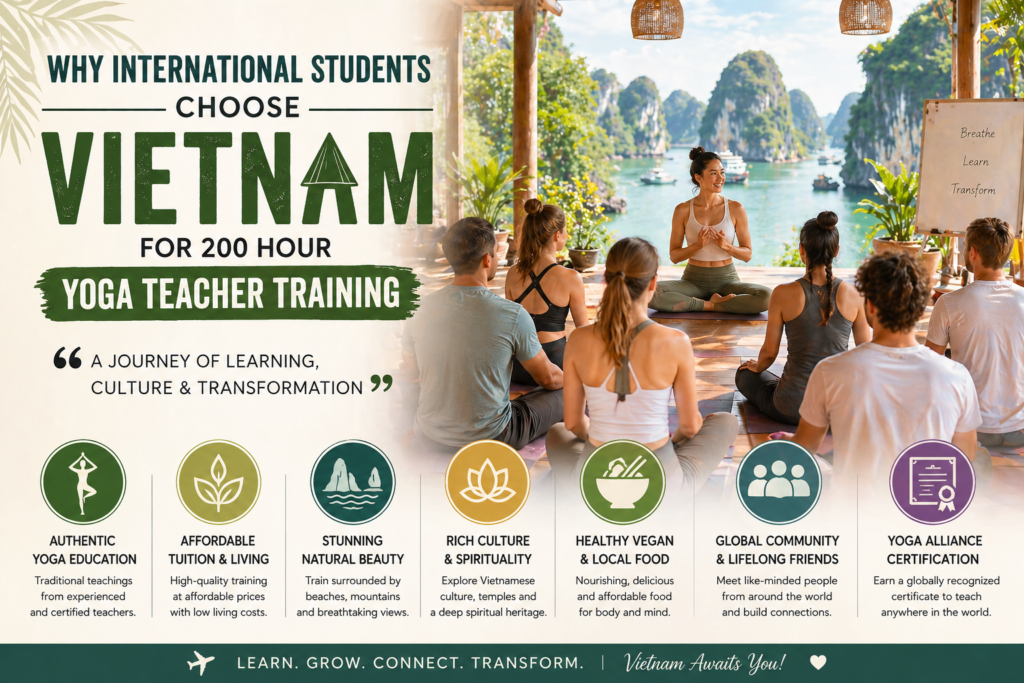
Where you train impacts your “international appeal.” Many aspiring teachers choose “destination trainings” in wellness hubs like Vietnam, India, or Bali.
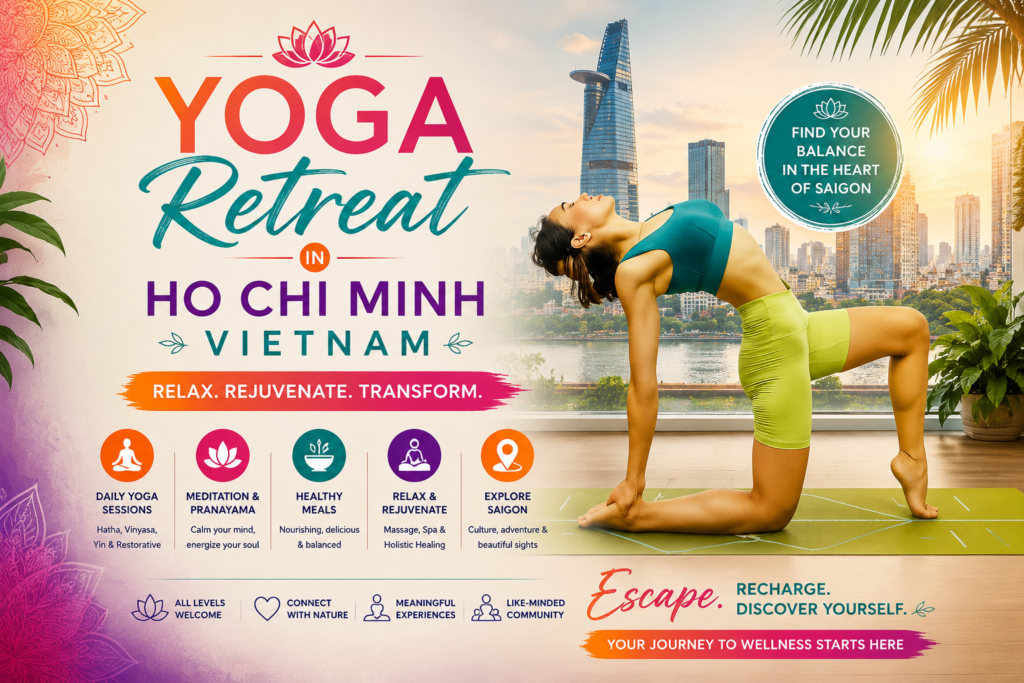
Training in a location like Ho Chi Minh City or Rishikesh offers a distinct advantage:
- Cultural Immersion: You learn from masters who live the yogic lifestyle daily, giving you a more authentic perspective than a weekend course in a local gym.
- Intensive Format: Destination trainings are usually “immersions” (21–28 days). This focused environment leads to deeper knowledge retention than part-time courses spread over six months.
- Networking: You meet peers from across the globe, creating an international network of contacts that can lead to teaching opportunities in different countries.
4. The Curriculum: What an International Teacher Needs to Know
To be a “certified” teacher, your Training must cover five core categories mandated by international standards:
- Techniques, Training, and Practice: Asanas, pranayamas, and meditation.
- Teaching Methodology: Communication skills, time management, and the business of yoga.
- Anatomy and Physiology: Both physical (skeletal/muscular) and energy anatomy (Chakras/Nadis).
- Yoga Philosophy: Ethics for yoga teachers and the study of ancient texts.
- Practicum: Actual practice teaching where you are observed and critiqued by your masters.
5. Navigating the Business of International Teaching
Once you have your certificate, the “international” part of your career begins. To succeed globally, you must handle the professional side of yoga:
- Liability Insurance: Even with a Certified Yoga Teacher Internationally, you need international teacher insurance. Providers like Yoga Journal or BeYogi offer policies that cover you in multiple countries.
- The Digital Portfolio: In 2026, your resume is your social media and website. Share videos of your teaching style, testimonials from your YTT peers, and high-quality images of your practice.
- Specialization: International resorts and high-end studios often look for teachers with “extra” skills. Adding a Sound Healing or Prenatal Yoga certification to your 200-hour base makes you a much more attractive hire.
6. How to Register Your Certification
After you graduate from a school like Shiva Flow, follow these steps to go “live”:
- Collect your Certificate: Ensure it has the school’s RYS ID and the Lead Trainer’s signature.
- Create a Profile: Go to the Yoga Alliance website and upload your credentials.
- Pay the Dues: There is an annual fee to remain “active” on the directory.
- Continuing Education (YACEP): To keep your international status, you must complete a certain number of “Continuing Education” hours every three years.
Conclusion: Your Global Journey Starts on the Mat
Becoming a Certified Yoga Teacher Internationally is a commitment to excellence. It requires 200 hours of sweat, study, and self-reflection. However, the reward is a career that knows no borders. Whether you want to lead retreats in the mountains of Sapa or teach at a boutique studio in London, your journey begins with choosing a school that respects tradition while meeting global standards.
The world is looking for authentic, well-trained teachers. With the right certification, you are ready to answer that call.+
Book Now : Yoga Teacher Training Course In Ho Chi Minh City (Saigon), Vietnam