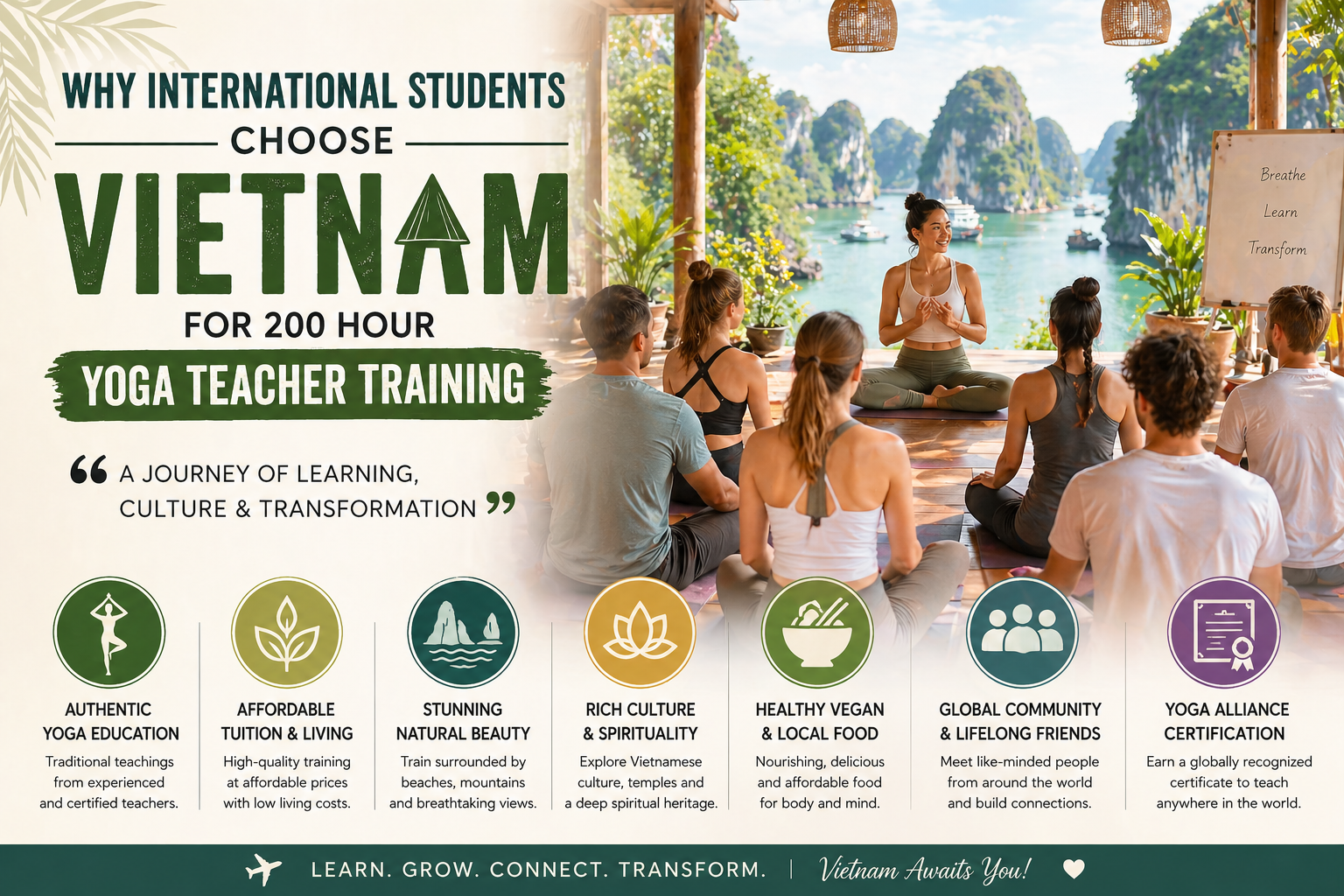

For an international student, choosing a 200 Hour Yoga Teacher Training is a significant investment of time, money, and energy. In recent years, Vietnam has moved from a “hidden gem” to a primary hub for Yoga education in Asia. The reasons go beyond the beautiful landscapes; it is about the professional and personal ROI (Return on Investment) that students experience here.
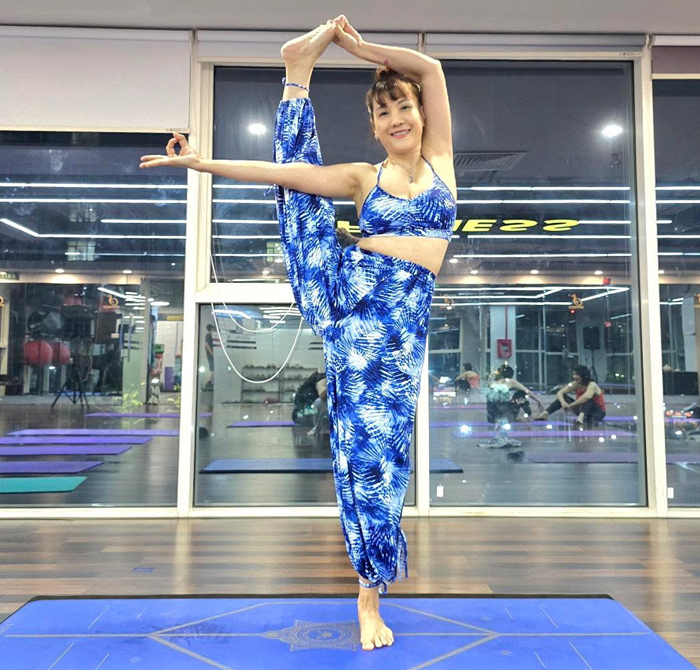
1. Authentic Indian Masters in a Modern Setting
The primary draw for international students is the quality of instruction. Many Schools in Vietnam, such as Shiva Flow, are led by experienced Indian Yoga Masters.
- The Best of Both Worlds: Students receive the same depth of traditional Vedic knowledge—Hatha, Ashtanga, and Philosophy—that they would find in Rishikesh, but within the clean, high-tech, and comfortable studio environments of Ho Chi Minh City.
- Lineage and Trust: Masters in Vietnam often hold E-RYT 500 status and bring decades of experience, ensuring that international students graduate with a foundation that is both culturally authentic and anatomically safe.
2. Unbeatable Cost of Living and Education
Financial accessibility is a major factor for students from Europe, Australia, and North America. In Vietnam, your dollar, euro, or pound stretches significantly further without sacrificing quality.
- Affordable Tuition: A 200 Hour Yoga Alliance certified course in Vietnam is often 40-60% more affordable than similar programs in the West.
- Luxury for Less: Students can live in beautiful boutique accommodations and enjoy high-end vegan “Sattvic” meals for a fraction of the cost of living in other wellness hubs.
- Focus on Learning: Because the cost of daily life is low, students can focus entirely on their 30-day transformation instead of worrying about a mounting travel budget.
3. The “Urban Ashram” Advantage of Ho Chi Minh City
International students increasingly prefer “Urban Immersions” over isolated retreats. Training in a vibrant metropolis like Ho Chi Minh City (HCMC) provides a unique psychological advantage.
- Real-World Integration: Learning to find stillness amidst the energy of a city prepares students for their future careers. Most yoga teachers will eventually work in cities; training in one helps them learn how to hold space for students who are also navigating busy, urban lives.
- Wellness Infrastructure: District 3 in HCMC has become a sanctuary for international yogis, filled with tree-lined streets, French colonial architecture, and an endless supply of healthy cafes and sound healing centers.
4. Specialized Niche Skills: Sound Healing and Beyond
In a competitive global market, international students want more than just a 200-hour certificate. They want a “unique selling point” (USP).
- Integrated Curriculums: Vietnamese Schools are leaders in integrating Sound Healing and Chakra Therapy into the core 200 Hour Yoga Teacher Training syllabus.
- Competitive Edge: Graduating with the ability to facilitate a “Sound Bath” or use Tibetan singing bowls allows international students to charge higher rates and secure better jobs at luxury resorts or corporate wellness firms back home.
5. Ease of Travel and International Recognition
Vietnam has made it increasingly easy for international students to visit and stay for the duration of a month-long training.
- Visa Accessibility: Streamlined e-visa processes for many nationalities make the logistics of attending a 200 Hour Yoga Teacher Training stress-free.
- Yoga Alliance USA Certification: The top Schools in Vietnam are Registered Yoga Schools (RYS), meaning the certificate earned in a Vietnamese shala is recognized in London, Sydney, New York, and beyond. This global “passport” is essential for international career mobility.
6. The Healing Culture of Vietnam
Finally, there is the “X-factor”: the Vietnamese culture itself.
- Mindfulness in Daily Life: The local culture is rooted in a gentle, respectful, and mindful approach to life. This aligns perfectly with the yogic principles of Ahimsa (non-violence) and Santosa (contentment).
- Safety and Hospitality: Vietnam is consistently ranked as one of the safest countries for solo travelers and international students, providing a secure “container” for the deep emotional and physical work that happens during a 200 Hour Yoga Teacher Training.
Conclusion: A Strategic Choice for Future Teachers
International students choose Vietnam for their 200 Hour Yoga Teacher Training because it is a strategic investment in their future. It offers the rare combination of high-caliber Indian expertise, low-cost high-quality living, and specialized skills that make them stand out in the global wellness industry.
If you are looking for a transformation that is as professional as it is spiritual, the path leads to Vietnam.
Book Now : 200 Hour Yoga Teacher Training In Ho Chi Minh City (Saigon), Vietnam